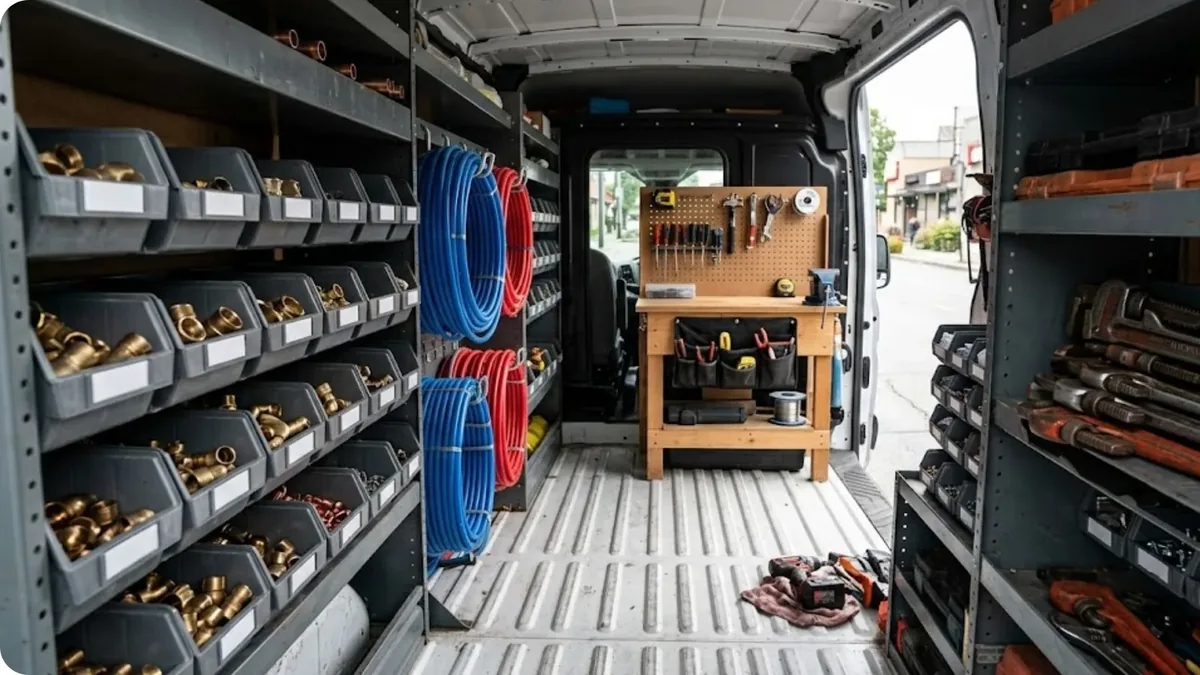
Burst or leaking pipe
Water on a floor or ceiling, a sudden pressure drop, or a hissing wall.
A supply line splits at midnight. A drain backs up on a holiday. A water heater starts leaking into a closet on Sunday morning. Call the dispatch line and a plumber serving your area is sent to your address.

Most plumbing problems can wait for a morning appointment. These cannot. Each one either damages the home by the minute or puts a household without water, sanitation or safe gas.
Water on a floor or ceiling, a sudden pressure drop, or a hissing wall.
Gurgling fixtures, water rising in a tub or floor drain, or a sewage smell at the lowest drain in the house.
Nothing at any tap. First check whether neighbors are affected, then the main shutoff.
A leaking tank, a cold shower that will not recover, or rumbling and popping from the tank.
A toilet that will not stop, a failed washer hose or a supply line that let go under a sink.
Leave the building and call 911 or the gas utility from outside. The plumber comes after the area is cleared.
If water has already soaked drywall, carpet or flooring, the plumber stops the source first. Removal and drying of the wet materials, and mold testing where it applies, are handled on the water damage cleanup page.
A burst pipe can move several gallons a minute. The first ten minutes decide whether you are drying a floor or replacing a ceiling. The steps below work for most houses in the Warrenton area, whatever the pipe or the cause.
After the water is off, the repair itself depends on where the pipe failed, how old it is and whether the same line has leaked before. A plumber looks at those three things before suggesting anything, and a repeat failure usually shifts the conversation toward replacing a section.
| Step | What to do | Why it helps |
|---|---|---|
| 1. Close the main shutoff | It is usually where the line enters the house, in a basement, crawl space or utility room, or in the meter box at the street. | Stops the flow that is causing the damage. |
| 2. Switch off the water heater | Cut power at the breaker or turn the gas control to off, especially when the leak is on the hot side. | A tank running without water can damage its own elements. |
| 3. Drain the lines | Open the lowest faucet and flush a toilet once or twice. | Lowers the pressure still pushing water out of the break. |
| 4. Protect what you can | Lift rugs, move furniture and photograph the water and the source. | Limits damage and documents the loss for insurance. |
| 5. Mind the electricity | Stay out of standing water near outlets. Use the breaker only if you can reach it while dry. | Water and live circuits do not mix. |
| 6. Call the dispatch line | Give the address, the symptom and what you have already shut off. Call (866) 919-0785. | The dispatcher can talk through the steps if one is unclear. |
The dispatch line is open now, any day, any hour. Have the address and a short description ready.
The number on this page is answered around the clock, every day of the year. Nights, weekends and holidays use the same line as a Tuesday morning.
Whether it is a 24-hour emergency plumbing call at 3 a.m., an after-hours leak on a weekend or a same-day plumbing visit, the process is the same. Emergency plumbers are dispatched by address, so the dispatcher needs yours first.
A dispatcher asks for the address, the symptom and whether the water is still running. That short conversation decides which plumber serving your area is the right fit and whether you need to shut anything off first.
Same-day service is offered when a plumber is available for your address. The dispatcher gives an arrival window after confirming details, without promising a fixed response time. If you have no water at all, say so up front, because it changes the questions.
The plumbers who do the work are licensed and insured. License details are available to any caller or homeowner on request.
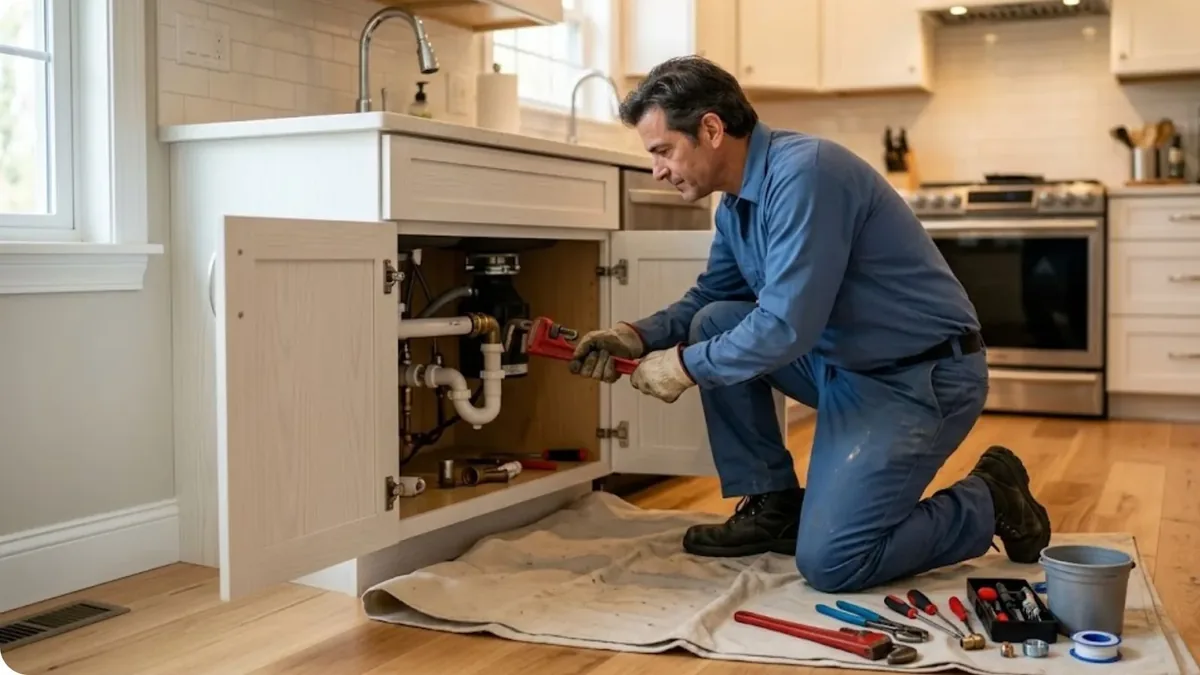
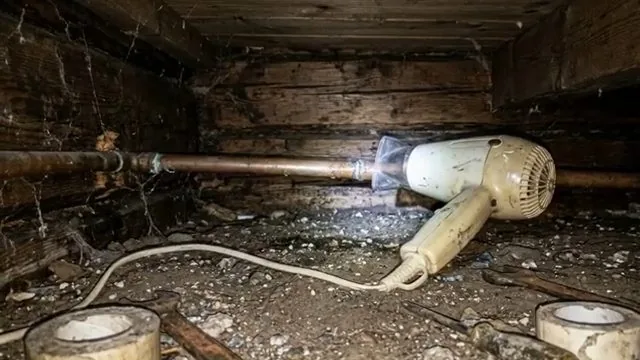
Climate averages for Warrenton put January overnight lows near 24 degrees Fahrenheit, with colder nights during cold snaps. That is low enough to freeze pipes in crawl spaces, garages, exterior walls and outdoor spigots.
If a faucet slows to a trickle in a cold snap, a pipe may be freezing. Open that faucet, warm the pipe slowly with a hair dryer or warm towels, and keep the main shutoff location in mind. Never use an open flame.
A frozen pipe can split without showing it. The leak appears when the ice melts, so watch the area for hours after thawing. When a split is found, a plumber can repair the section or discuss replacing the vulnerable run.
Two of the most common calls come first. Pick the closest match to your problem and the page explains what the visit involves.
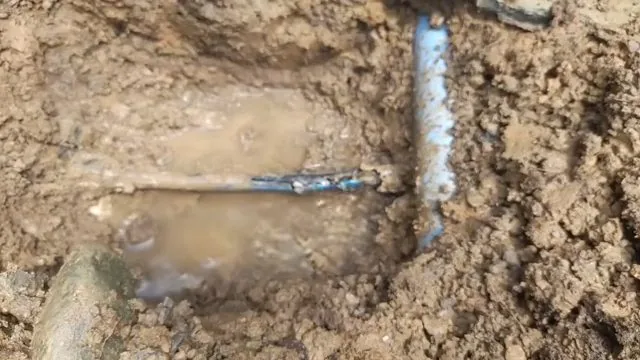
Hidden leaks show up as a spinning meter, a damp wall or a bill that jumps. A plumber traces the line, finds the break and explains the repair before work starts.
See leak detection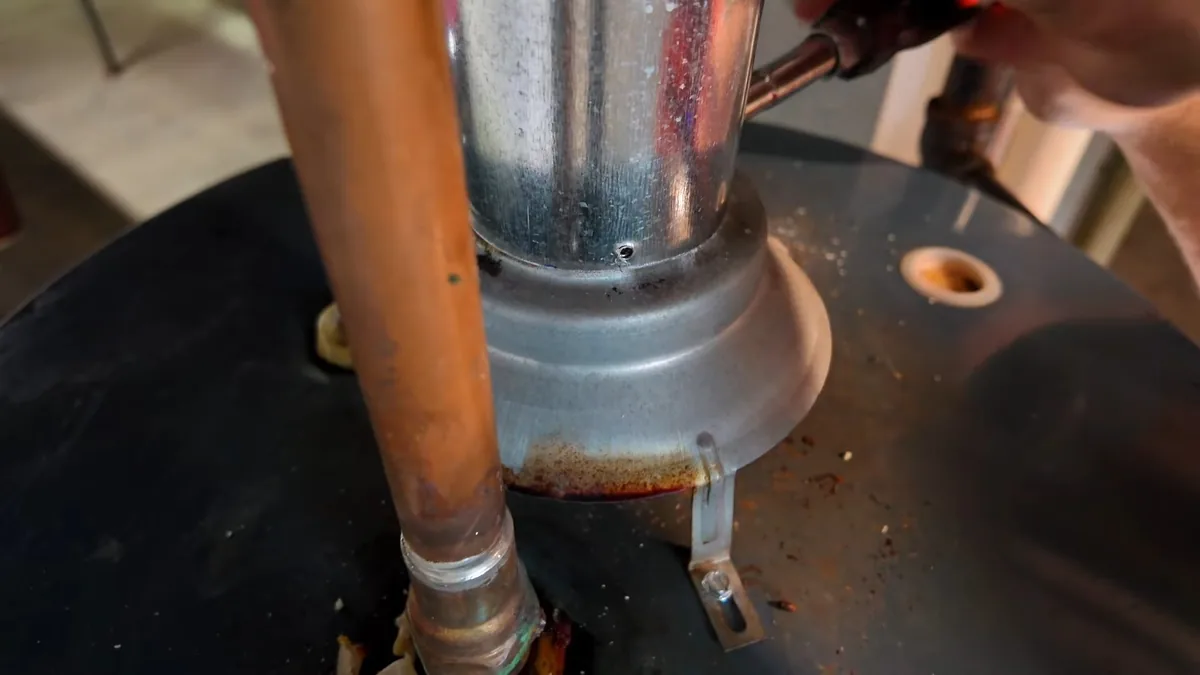
A tank that leaks, rumbles or runs cold usually has a diagnosable cause. Repair is compared with replacement so you can decide with the facts in front of you.
See water heater repairConcealed supply leaks under a concrete floor, located before any cutting starts. Read about slab leak detection and repair.
Repeated backups often point past the drain to the line itself. A camera inspection and sewer line repair or replacement cover that case.
Kitchen, tub and floor drains that keep returning need more than a plunger. See how drain cleaning works.
When leaks repeat, replacing sections can cost less than chasing each failure. Compare spot fixes with repiping.
After a leak, wet drywall and flooring need removal and drying before mold starts. Water damage restoration covers removal, drying and mold testing.
New appliance hookups and suspected gas line problems go to a plumber who works on gas line installation and repair.
Other jobs follow the same pattern: repairing the main water line, installing a new water heater, tankless water heaters, faucet and toilet repair, garbage disposal repair, water softeners and filters and plumbing for commercial buildings. For a sense of what jobs involve before you call, read the cost guide.
Describe the symptom to the dispatcher. A plumber serving your area can sort out whether it is a leak, a drain or a water heater.
Calls from the Town of Warrenton and from communities across central Fauquier County are routed to a plumber serving your area. The dispatcher confirms availability for each address.
North of town, calls reach The Plains, Marshall and the Route 17 corridor near Broad Run. To the east, plumbers serve New Baltimore, Vint Hill and Catlett. South of Warrenton the list continues with Opal, Calverton, Bealeton and Remington. The full list with notes on each place is on the service area page.
Fauquier County states that most plumbing, electrical and mechanical work needs a permit. Inside the Town of Warrenton, the Community Development office at 540-347-2405 handles permits. Remington and The Plains projects go through the County office at 540-422-8230. Ask the plumber which applies before work starts.
The Warrenton Historic District was listed on the National Register in 1983, and its nomination counted 323 buildings. Plumbing in buildings of that age has often been altered over the years, so confirm what you have before assuming anything about the pipe.
Town of Warrenton Public Utilities, 540-347-6574, serves town customers. The Fauquier County Water and Sanitation Authority, 540-349-2092, serves many addresses outside town. A neighborhood outage is a utility call. A single dry house is usually a plumbing call.
Yes. The dispatch line is answered every hour of every day, including holidays. A dispatcher takes the address and the problem, then sends a plumber serving your area. Call before you start mopping, because the first few minutes decide how much water reaches the floor below.
Often, when a plumber has an opening in your part of Fauquier County. The dispatcher confirms the arrival window once the address and the problem are clear. No response time is promised, and a busy storm night can stretch the wait.
Close the main shutoff, open the lowest faucet to drain the lines, and photograph the water for your insurer. Keep people away from wet outlets and cords. If the water heater is the source, switch off its power or gas control before anything else.
Often it does. Fauquier County requires a permit for most plumbing jobs, along with electrical and mechanical ones, in areas it governs. The Town of Warrenton runs its own Community Development office for work inside town limits. Ask the plumber at the start which office applies to your address.
Check whether neighbors are affected, then call the utility that bills you. Town of Warrenton Public Utilities handles town customers, and the Fauquier County Water and Sanitation Authority covers many addresses outside town. If only your home is dry, the problem is likely on your side of the meter.
The line takes calls from Warrenton itself and from ten nearby communities, namely New Baltimore, Broad Run, Vint Hill, Opal, Calverton, Marshall, Catlett, Bealeton, The Plains and Remington. The dispatcher confirms availability for your address.
Gas comes first. Get everyone outside before you phone anyone, and do not flip switches or use a phone indoors. Emergency services or the gas utility can be reached from the yard. A plumber can inspect the gas piping afterward, once the area is cleared.
More answers, including cost and scheduling, are on the questions page.
Tell the dispatcher what is happening and a plumber serving your area takes it from there.